
 If you’ve found yourself Googling “What maternity clothes do I actually need?” — you’re not alone.
For many women, pregnancy is the first time they’ve had to rethink how they dress entirely. Suddenly your usual wardrobe doesn’t quite work, but the idea of buying a whole new one feels overwhelming (and expensive).
The good news? You don’t need nearly as much as the internet might suggest.
Here’s a realistic, low-pressure guide to building a maternity wardrobe that works for pregnancy, breastfeeding, and beyond — without overbuying.
Do I actually need maternity clothes?
Short answer: eventually, yes — but not all at once.
Many women can get through the first trimester (and even part of the second) wearing their usual clothes, especially if they prefer relaxed or oversized styles. But as your bump grows, maternity-specific cuts start to matter — not just for comfort, but for how clothes sit and move on your body.
Maternity clothes aren’t about hiding your bump. They’re about making space for it, so you still feel like yourself.

The Archie Set - Turquoise - a bump and breastfeeding-friendly matching set.
When do most women start buying maternity clothes?
There’s no single “right” time, but most women start shopping somewhere between 14–20 weeks.
Common signs it’s time:
- Waistbands feel tight or uncomfortable
- Dresses start riding up
- You’re constantly adjusting your clothes
- You have an event coming up and “nothing fits”
A helpful approach is to buy a few key pieces early, rather than waiting until everything feels uncomfortable and panic-buying all at once.
What maternity clothes do I actually need?
Instead of thinking in terms of quantity, think in terms of roles. Most women only need a small number of pieces that do a lot of work.
1. Everyday basics
These are the pieces you’ll reach for most days.
- Comfortable bottoms (pants, leggings or skirts)
- Tops that stretch or drape over the bump
- Pieces you don’t mind wearing on repeat
Aim for neutral colours or easy prints that mix well with what you already own.
2. One “feel good” dress
This is the piece that makes you feel like you, not just “pregnant”.
A great maternity dress should:
- Fit comfortably over the bump
- Work for casual days and nicer occasions
- Ideally be wearable after pregnancy too
Many women find that having one reliable dress they love makes getting dressed much easier — especially on days when nothing else feels right.

The Harper Dress - Geometric - Bump and Breastfeeding-Friendly Dress.
3. One outfit for events
Baby showers, birthdays, dinners, weddings — these moments still happen during pregnancy.
Rather than buying multiple “occasion” outfits, look for:
- One dress or set that can be dressed up or down
- Something comfortable enough to wear for hours
- A style that doesn’t feel too “maternity-only”
This saves money and decision fatigue.
4. One piece that works for breastfeeding and beyond
If you’re planning to breastfeed, it’s worth thinking ahead.
Look for pieces with:
- Easy access (lift-the-flap styles, buttons, zips)
- Flattering shapes that still work postpartum
- Fabrics that wash and wear well
Even having one or two pieces that transition smoothly into the postpartum stage can make a big difference.


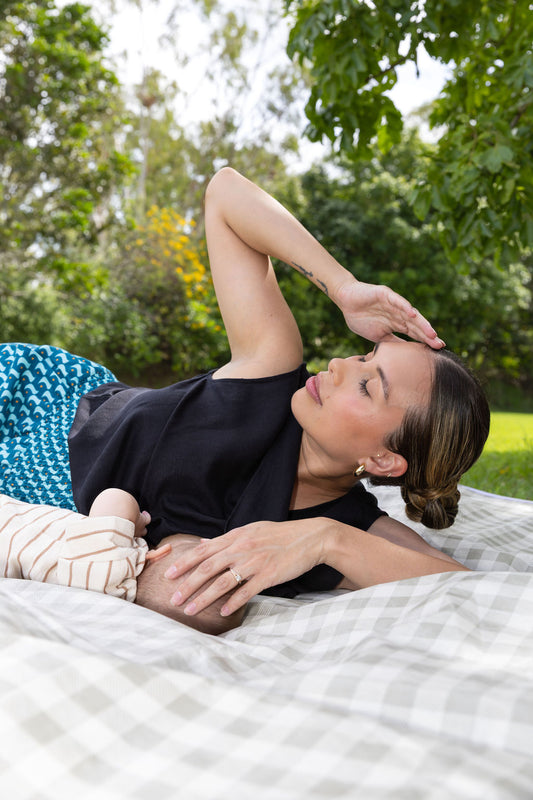
The Archie Top - Black - transitions from a classic over-the-bump style to easy breastfeeding access.
How many maternity clothes do I really need?
For most women, a functional maternity wardrobe can be surprisingly small.
As a rough guide:
- 2–3 bottoms
- 4–6 tops
- 1–2 dresses or sets
That’s it.
Building around what you already own helps keep things simple — and affordable.
Common maternity shopping mistakes
If you want to avoid overbuying, these are the big ones:
Buying everything at once
Your body changes throughout pregnancy. Buying slowly helps you adjust as you go.
Buying pieces that only work for one stage
Clothes that only fit for a few weeks often end up unworn.
Choosing uncomfortable fabrics
Breathability, softness and washability matter more than ever.
Buying “just in case” outfits
If you don’t love it now, you probably won’t reach for it later.
How to choose maternity clothes you’ll wear beyond pregnancy
If longevity matters to you, look for:
- Thoughtful cuts (not overly tight or overly baggy)
- Quality fabrics that hold their shape
- Styles that don’t scream “maternity”
Pieces designed to work across pregnancy, breastfeeding and beyond tend to get the most wear — and feel like better value long-term.
This is the philosophy behind how we design at Saturday Vibes: fewer pieces, worn more often, through multiple stages of mum life.

Bump-friendly and breastfeeding-friendly options from Saturday Vibes.
Frequently asked questions
Can I wear maternity clothes after pregnancy?
Yes — especially dresses and sets designed with relaxed shapes and feeding access. Many women prefer the comfort postpartum.
What size maternity clothes should I buy?
Most maternity clothes are designed to fit your pre-pregnancy size. If in doubt, check the brand’s sizing guide.
Is maternity clothing worth the money?
It can be, if you choose pieces that work across stages and get worn regularly. A small, considered wardrobe often ends up being better value than lots of cheaper items.
Final thoughts
You don’t need a whole new wardrobe to get through pregnancy — just a few well-chosen pieces that make you feel comfortable, confident and like yourself.
If you’re ever unsure, start small. You can always add more later.
Pregnancy changes enough already — getting dressed doesn’t need to be another hard thing.